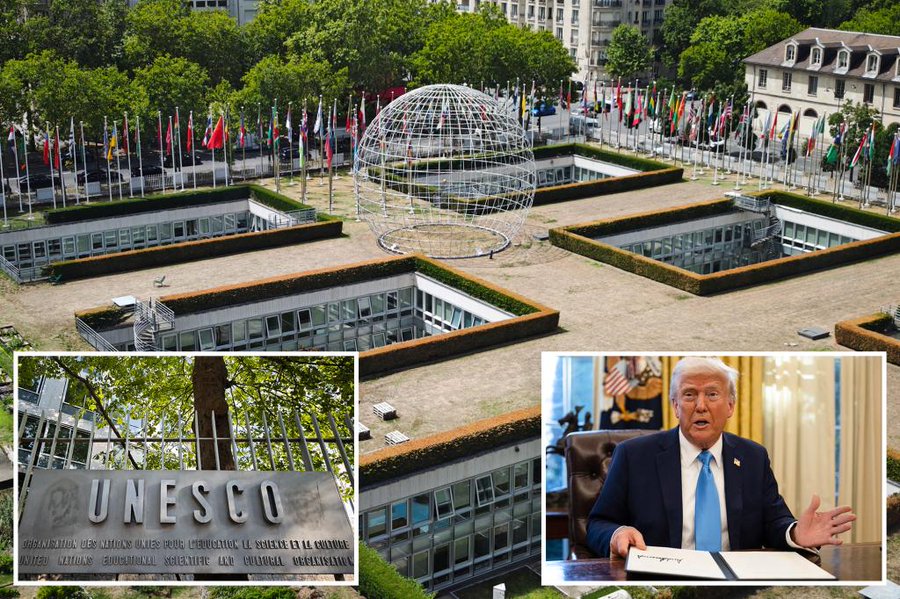
Washington, D.C. – July 22, 2025: The United States has once again announced its intention to withdraw from the UNESCO (United Nations Educational, Scientific and Cultural Organization), citing a fundamental misalignment with the agency’s mission and governance. The move, expected to take effect by the end of 2026, marks the third U.S. departure from the Paris‑based body and reignites debates about America’s commitment to international cultural and scientific cooperation.
A Long and Complicated Relationship
UNESCO, founded in 1945, was conceived as an international forum to promote peace through education, science, and cultural exchange. Today it boasts 194 member states and manages initiatives ranging from World Heritage Site preservation to global literacy programs and AI ethics frameworks.
Yet the U.S. relationship with UNESCO has always been uneasy:
- 1984: The Reagan administration left, citing mismanagement and “anti‑Western bias.”
- 2003: George W. Bush rejoined, framing engagement as strategic diplomacy.
- 2011: U.S. funding was halted after UNESCO admitted Palestine, triggering U.S. laws that prohibit funding U.N. bodies recognizing Palestinian statehood.
- 2017: President Trump initiated a full withdrawal, accusing UNESCO of “anti‑Israel bias.”
- 2023: President Biden restored membership, positioning U.S. participation as a counterweight to China’s growing influence.
Now, two years later, Washington is heading for the exit again.
Why Leave Now?
Reports and Official statements of professionals are trying to conclude some major pointers that should played a crucial role in this U.S. withdrawal from UNESCO:
- Alleged Political Bias: U.S. officials accuse UNESCO of systemic anti‑Israel bias, pointing to resolutions on Jerusalem’s cultural heritage that Washington views as one‑sided.
- Ideological Drift: Critics argue the agency has embraced a “woke cultural agenda,” including recent gender equity and anti‑racism campaigns that conflict with U.S. policy priorities.
- Financial Priorities: Historically the largest contributor, the U.S. once funded 22% of UNESCO’s budget. Even after rejoining, its share was around 8%, and more than $600 million in arrears remain unpaid.
- Geopolitical Competition: China now contributes almost 20% of UNESCO’s budget, giving Beijing significant sway in shaping the agency’s priorities—particularly in digital education and AI governance.
Who Funds UNESCO?
UNESCO’s $1.8 billion biennial budget (2024–2025) is underwritten by assessed and voluntary contributions. Top funders include: China: ~20%, Japan: ~7%, Germany: ~6%, France and U.K.: ~4% each and United States: ~8% since 2023.
With Washington pulling back, Beijing is expected to further expand its leadership role, especially in programs tied to technology, climate, and global education.
People Also Read This:
Why Are Donald Trump’s Ankles Swollen? 5 Medical Possibilities Beyond CVI
The Stakes: Beyond Budgets and Politics
Soft Power on the Line
UNESCO’s World Heritage program brings not just prestige but tourism revenue and preservation funds. U.S. withdrawal means fewer nominations for American cultural sites and diminished influence in global cultural diplomacy.
AI Ethics and Digital Standards
An underreported battleground lies in UNESCO’s 2021 AI Ethics Recommendation, a framework now adopted by over 50 countries. With China heavily investing in AI literacy programs across Africa and Southeast Asia, U.S. absence could shift the balance of global digital governance.
Impact on Global Education
UNESCO literacy campaigns have educated more than 120 million people since its inception. U.S.-backed science outreach, including oceanographic research crucial to climate response, may suffer cuts.
Domestic Politics vs. Global Engagement
Analysts say the latest withdrawal has as much to do with domestic politics as UNESCO itself. Congressional restrictions dating back to 2011 make U.S. funding politically fraught, while critics of the administration see the exit as playing to nationalist sentiments.
Public opinion, however, tells a different story. A 2024 Pew Research Center survey found 62% of Americans support active participation in international cultural and science bodies, citing benefits like collaborative research and protecting heritage sites.
Who Fills the Void?
China is already poised to capitalize on U.S. disengagement, both financially and diplomatically. Beijing’s near‑20% funding share, combined with strategic appointments in UNESCO leadership, positions it to influence policy on education, digital standards, and climate programs.
Other nations are stepping up as well. Sweden recently increased its UNESCO contributions by 15%, making it one of the fastest-growing supporters. European Union members have pledged to defend multilateralism as U.S. involvement recedes.
Cost vs. Influence: The Strategic Trade-Off
Withdrawing may save Washington its annual assessed contributions, but experts argue the long-term price lost influence in education, science, and technology governance could outweigh short-term savings.
Former U.S. Ambassador to UNESCO David Killion warned:
“When America leaves the table, others write the rules. We can’t lead from the sidelines.”
What Happens Next?
The U.S. will remain a UNESCO member until the withdrawal takes effect in late 2026, during which it can still shape policy debates. However, critics worry that ongoing uncertainty undermines American credibility and leaves the door open for rivals to consolidate influence.
Is This a Strategic Reset or a Self‑Inflicted Wound?
UNESCO’s mission to “build peace in the minds of men and women” may sound idealistic, but in an era of AI disruption, climate crises, and intensifying great‑power competition, cultural diplomacy matters.
By stepping back, the U.S. risks more than unpaid dues; it risks ceding leadership in setting the ethical, cultural, and scientific norms that will shape the 21st century.