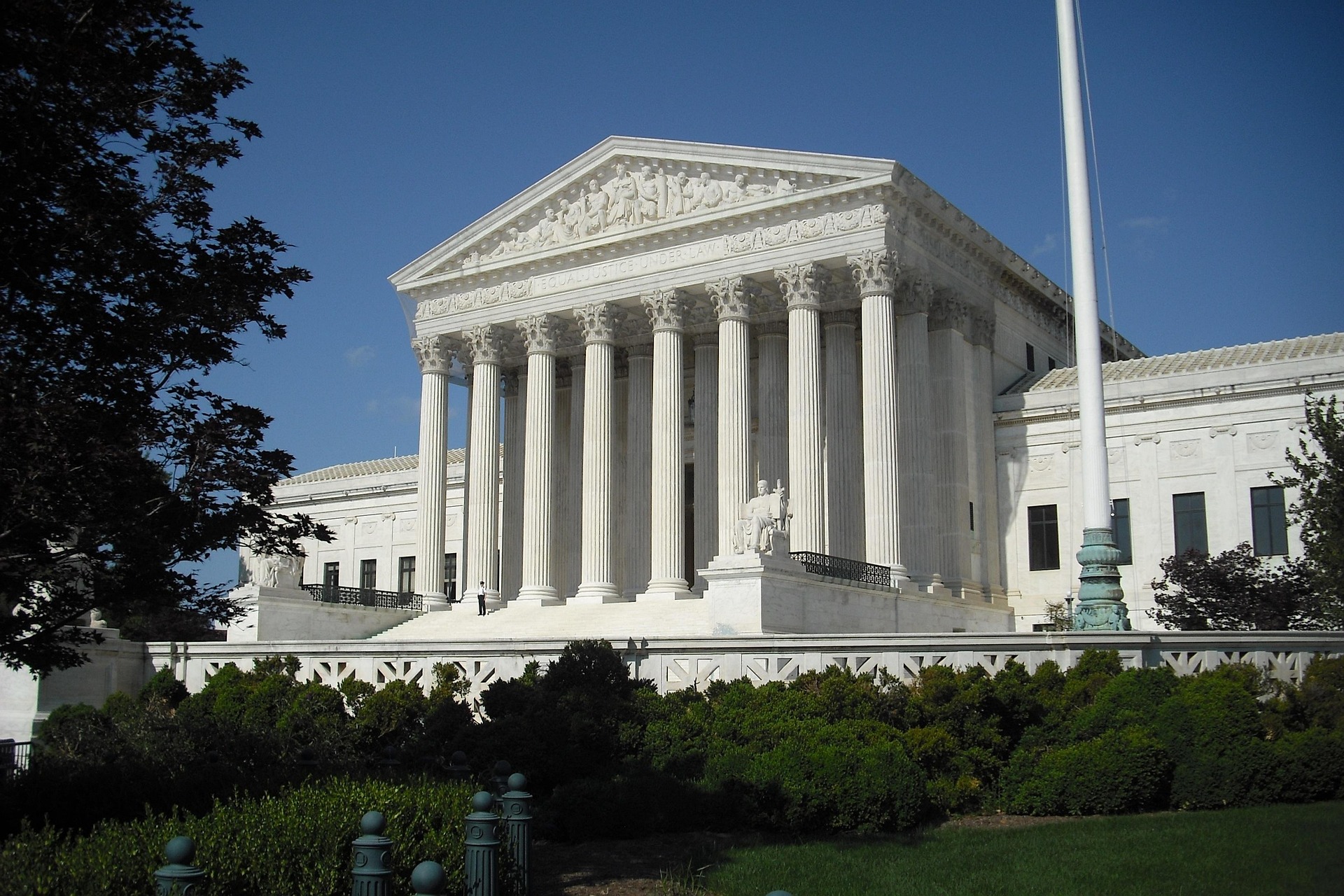
A major legal battle is unfolding over Section 2 of the Voting Rights Act (VRA), the law that for decades has been the backbone of U.S. election fairness. At the heart of the debate is whether private citizens and advocacy groups will continue to have the right to sue when discriminatory election laws threaten voter access. If the Supreme Court ultimately restricts this right, the impact on American democracy could be profound.
What Is Section 2 And Why Is It Crucial?
Section 2 prohibits voting practices that discriminate against voters based on race, color, or language minority status. Since 1982, over 90% of lawsuits enforcing Section 2 have been brought by private individuals or advocacy groups.
UCLA Law Professor Rick Hasen warns: “Without private suits, the Voting Rights Act becomes a shell of its former self. The DOJ simply can’t handle enforcement alone.”
The 8th Circuit Ruling That Sparked the Crisis
In late 2023, the 8th U.S. Circuit Court of Appeals ruled that only the federal government—not private plaintiffs—can bring Section 2 lawsuits. This decision immediately threatened enforcement in seven states: Arkansas, Iowa, Minnesota, Missouri, Nebraska, North Dakota, and South Dakota.
Legal analysts call the ruling a break from decades of precedent. Janai Nelson, President of the NAACP Legal Defense Fund, noted: “Private enforcement is the backbone of voting rights. Stripping it away leaves millions of voters vulnerable.”
Supreme Court’s Emergency Stay: A Temporary Lifeline
On July 24, 2025, the Supreme Court issued an emergency stay, allowing private lawsuits to proceed while the case undergoes full review, expected in 2026.
The order temporarily preserves a critical enforcement tool, but dissenting Justices Thomas, Alito, and Gorsuch signaled openness to removing private enforcement altogether. Turtle Mountain Tribal Chairman Jamie Azure, whose community is involved in the case, emphasized: “Without the ability to enforce our rights in court, we risk returning to a system where discrimination goes unchecked.”
Why DOJ Alone Cannot Shoulder the Burden
The U.S. Department of Justice has filed just 12 Section 2 cases since 2010, compared to hundreds by private plaintiffs. Limited staff and resources make it nearly impossible for DOJ to monitor thousands of election jurisdictions nationwide.
Former DOJ attorney Megan Gall explained: “Private plaintiffs are often the first to notice and challenge subtle, localized attempts to dilute minority voting power.”
Delayed Justice and Localized Harm
Private lawsuits act as first responders, swiftly blocking discriminatory redistricting plans and voter suppression efforts. Without them, harmful laws might remain in place through multiple election cycles, disenfranchising millions.
Professor Hasen underscores: “The damage from a delayed challenge can last years, cementing unfair maps and laws long after they’ve been declared unlawful.”
People Also Read:

Alivea Goncalves’ Statement: How Kaylee’s Sister Is Keeping Her Legacy Alive
Communities Most at Risk
Marginalized groups, including Native American, Black, Latino, and rural voters, rely heavily on advocacy organizations to defend their rights. Losing private enforcement would leave them dependent on DOJ priorities, which shift with political leadership.
Janai Nelson warned: “Grassroots enforcement ensures that every community not just those with national attention has access to justice.”
Data Highlights: Private vs. DOJ Enforcement
Since 1982, private parties have filed over 430 Section 2 lawsuits, winning approximately 170 major cases that reshaped discriminatory maps and protected millions of voters. By contrast, the DOJ has brought fewer than 45 such cases over the same period.
These numbers reflect what Michael Kang, election law expert at Northwestern University, calls: “A legal framework built on citizen participation without which Section 2 collapses in practice.”
The Tribal Perspective: Voices from the Frontlines
The case currently before the Supreme Court involves Turtle Mountain Band of Chippewa and Spirit Lake Tribe voters in North Dakota, who argue the state’s legislative maps dilute their voice.
Chairman Jamie Azure explained: “Our people have fought too long to be silenced. Private enforcement isn’t just a legal tool it’s our shield against erasure.”
Broader Implications for Democracy
With Section 5 preclearance gutted in 2013, Section 2 lawsuits remain the primary safeguard against racial discrimination in voting. If private enforcement ends, discriminatory maps and laws could stay in place for years, fundamentally altering representation ahead of the 2026 and 2028 elections.
Rick Hasen cautioned: “We’d be looking at a future where the Voting Rights Act has no real teeth.”
What Comes Next?
The Supreme Court will hear full arguments in 2026, determining whether Section 2 allows private enforcement. Meanwhile, some states are strengthening their own voting rights statutes, and Congress faces renewed pressure to pass the John R. Lewis Voting Rights Advancement Act.
North Dakota Secretary of State Michael Howe, a defendant in the case, stated: “We will continue to follow election laws set by the legislature or as directed by any final court decisions.”
Why Every Voter Should Care
Losing private enforcement would remove the most effective tool for holding states accountable to fair election standards. Civil rights groups warn that a ruling against private litigants could usher in a period of unchecked voter discrimination.
Janai Nelson concludes: “The right to vote means little if it cannot be defended in court. Protecting Section 2 is about safeguarding democracy itself.”