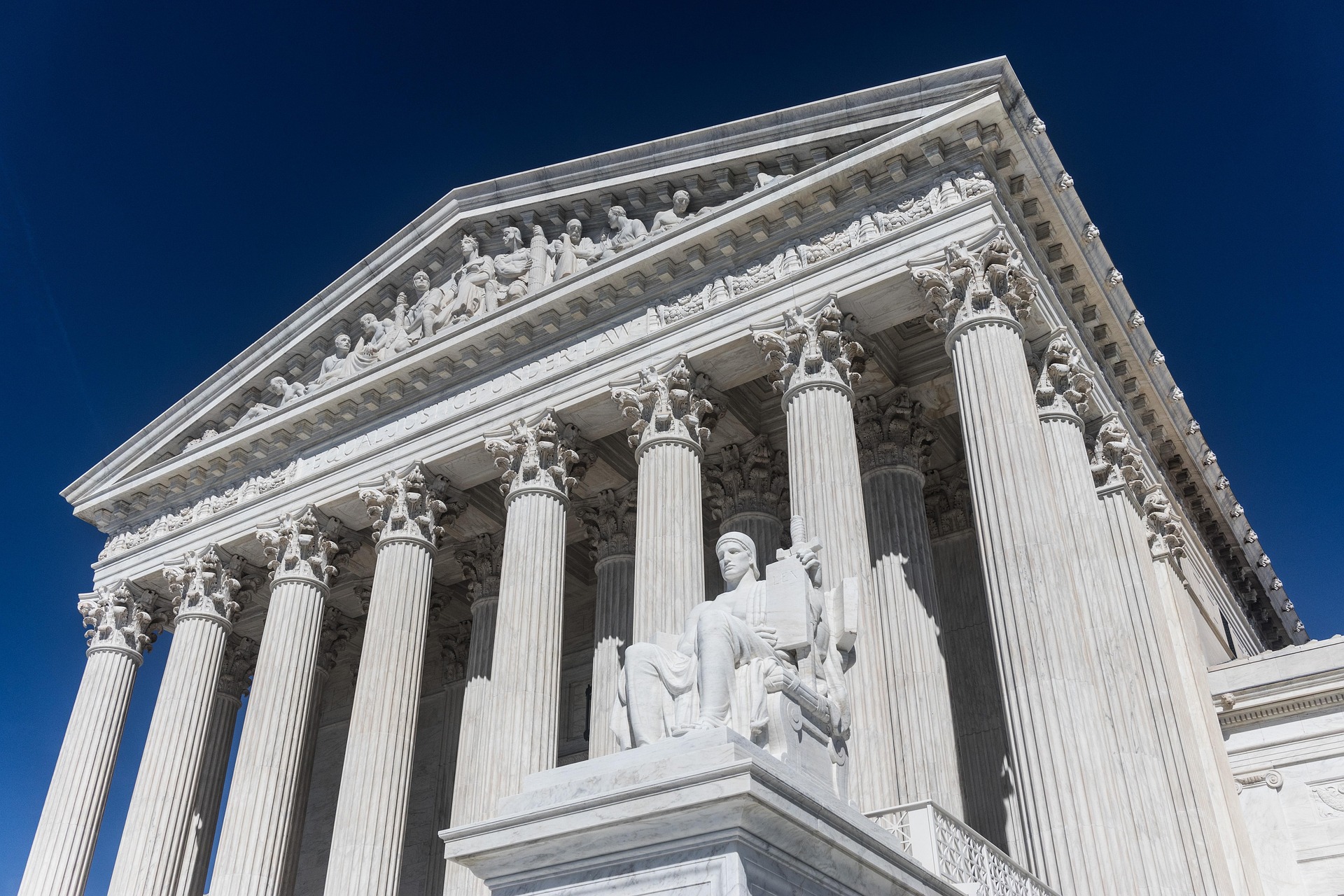
If the Supreme Court removes private citizens’ ability to sue under Section 2 of the Voting Rights Act (VRA), enforcement will rely solely on the U.S. Department of Justice a significant power shift with major consequences. Below are the five states most vulnerable to disenfranchisement and vote dilution if private enforcement disappears.
1. North Dakota
Home to the Turtle Mountain Band of Chippewa Indians and Spirit Lake Tribe, North Dakota is at the center of litigation arguing that state maps dilute Indigenous vote power. The 8th Circuit previously ruled private plaintiffs can’t sue, a decision that would block these tribal lawsuits.
Chairman Jamie Azure of Turtle Mountain declared: “Without private enforcement, our communities risk losing their only viable recourse in court.” The Supreme Court’s emergency stay preserves private suits for now, but a final decision is expected in 2026.
2. Arkansas
In Arkansas State Conference NAACP v. Arkansas Board, the state’s legislative districts were challenged for racial vote dilution. The 8th Circuit dismissed the case, claiming no private right of action under Section 2. If upheld, this would invalidate dozens of ongoing civil rights cases in Arkansas.
Barry Jefferson, NAACP activist, called the ruling: “A devastating blow to the civil rights of every American.”
3. Iowa & Minnesota
Both states, under the 8th Circuit, are at risk. Recent elections in Iowa have seen disputes over polling access and redistricting targeting rural minority areas. Minnesota is proposing its own State Voting Rights Act (SVRA) to counter potential federal enforcement gaps.
Senate President Bobby Joe Champion of Minnesota affirmed: “If we can no longer count on federal protections, Minnesota must provide citizens a day in court.”
4. Missouri & Nebraska
Also under the same appellate jurisdiction, Missouri and Nebraska face similar legal suppression risks. Both have experienced recent lawsuits over legislative districts that disproportionately favor white voters in areas with growing minority populations.
Civil rights attorneys warn that without private suits, these claims have no legal standing under current 8th Circuit precedent.
5. States with Pending Section 2 Litigation Outside 8th Circuit
Even beyond the 8th Circuit, states like Alabama, Georgia, Louisiana, and Texas rely heavily on private lawsuits to protect minority voting districts. Successful redistricting cases under Section 2 have already narrowed turnout gaps by 2–4 percentage points and added thousands of votes in recent elections. Without private enforcement, these gains could be reversed.
Why These States Are Most Vulnerable
- The 8th Circuit includes seven states where private enforcement is already disabled: North Dakota, South Dakota, Iowa, Minnesota, Arkansas, Missouri, Nebraska.
- In states with active Section 2 litigation, private groups drive nearly 90% of cases. DOJ handles few, often too slowly to prevent harmful measures before elections.
Consequences of Losing Private Enforcement
- DOJ alone can’t keep pace: Since 2010, DOJ filed only about a dozen Section 2 cases compared to hundreds by private plaintiffs.
- Turnout and representation suffer: Section 2 litigation increased Black participation by up to 4% in several states.
- Communities face legal isolation: Tribal, Black, Latino, and immigrant communities often lack access to federal enforcement without nonprofit and citizen lawsuits.
Expert Voices
- Rick Hasen, election law professor: “Section 2 enforcement without private suits is nearly impossible at scale.”
- Janai Nelson, NAACP Legal Defense Fund: “Eliminating private enforcement weakens the vote of every marginalized community.”
- Michael Howe, North Dakota Secretary of State: “We will follow court orders and election laws as interpreted in ongoing litigation.”
People Also Read:

Klaus Schwab Net Worth: The Fortune Behind the Founder of the World Economic Forum
What’s Next?
- The Supreme Court full decision on private enforcement is expected in 2026.
- Some states like Minnesota are advancing their own Voting Rights Acts to restore access to courts.
- Federal efforts like the John R. Lewis Voting Rights Advancement Act remain stalled in Congress but could preserve private enforcement nationwide.
If private enforcement is eliminated, North Dakota, Arkansas, Iowa, Minnesota, Missouri, and Nebraska and minority voters nationwide stand to lose the most. Private suits are the front line for protecting democracy, and without them, millions could see their voices diminished.