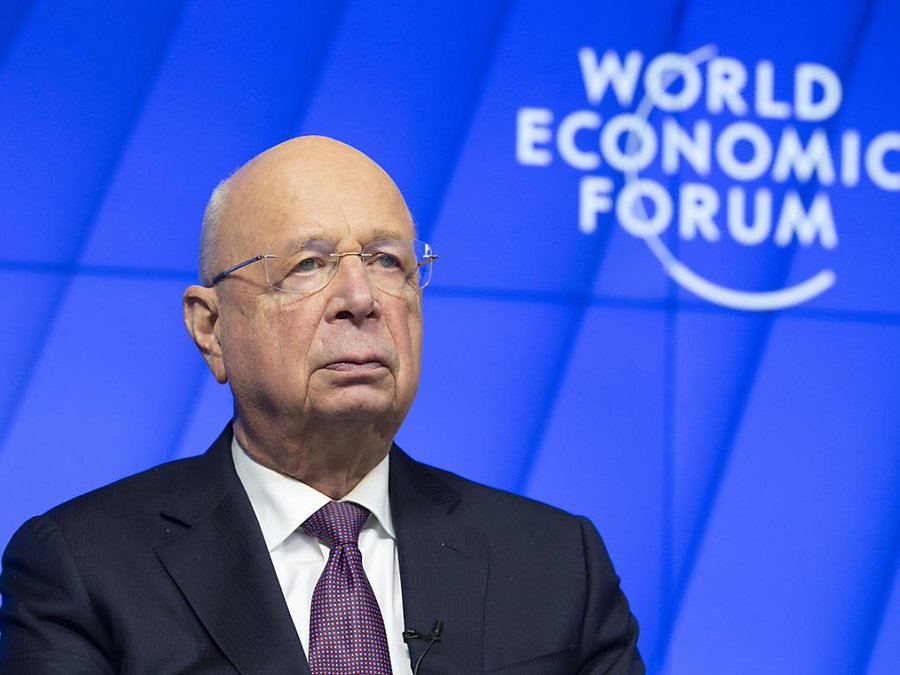
Klaus Schwab, the longtime face of the World Economic Forum (WEF) and the architect of its influential annual summit in Davos, has found himself at the center of scrutiny. An internal probe has uncovered a decade‑long pattern of alleged workplace misconduct, including unauthorized spending, bullying behavior, and the misuse of WEF resources. At the same time, renewed attention is focusing on Schwab’s personal net worth, a figure shrouded in secrecy despite his outsized influence in the global policy arena.
How Much Is Klaus Schwab Net Worth?
Schwab’s personal fortune has been the subject of speculation for years. Publicly available data paints a wide range:
01. CelebrityNetWorth lists his wealth at around $20 million.
02. Finty estimates a broader range between $25 million and $100 million, citing long‑term salary, royalties from his books, real estate, and diversified investment portfolios.
03. Some unverified reports have floated figures above $1 billion, though these claims remain unsubstantiated.
A consensus among financial analysts places Schwab’s likely net worth in the high eight‑figure range between $50 million and $150 million. That makes him wealthy by any standard, though not in the same league as the billionaire executives and heads of state who frequent Davos.
Salary and Institutional Ties
For decades, Schwab drew a reported annual salary of approximately CHF 1 million (roughly $1.2 million) as executive chairman of the WEF, along with CHF 100,000 in allowances. Combined with royalty income from his numerous publications including The Fourth Industrial Revolution and his co‑founding stake in the Schwab Foundation for Social Entrepreneurship, these earnings represent a substantial wealth base.
Real Estate and Assets
Schwab and his wife, Hilde, own a residence in Cologny, Switzerland, not far from WEF headquarters, valued at an estimated $11 million. While little else is confirmed publicly, observers believe a significant portion of his net worth is tied to investment funds, book royalties, and long‑term holdings managed through discreet channels.
Allegations of Misconduct at the WEF
The Wall Street Journal first reported the internal investigation, which was commissioned by the WEF board and carried out by Zurich law firm Homburger. According to people familiar with the findings, Schwab and his wife are accused of charging the organization for more than $1.1 million in questionable expenses, including luxury travel, spa services, and personal items such as jewelry and designer accessories.
In addition to alleged financial improprieties, the probe details a toxic workplace culture under Schwab’s leadership. Former staff members described: Bullying and verbal harassment, Dismissive treatment of female staffers, including pregnant employees, A pattern of sidelining older staff, particularly those over 50 and Inappropriate email communications and dismissals tied to personal grievances.
The investigation also examined claims that Schwab pressured WEF researchers to manipulate the Global Competitiveness Report in the wake of Brexit. One leaked communication reportedly instructed staff that the United Kingdom “must not see any improvement,” warning that such a finding could “be exploited by the Brexit camp.”
The WEF has not yet released the full report, which is expected later in 2025. Schwab, for his part, denies wrongdoing and has filed a criminal complaint against whistleblowers, citing defamation.
Why His Net Worth Matters
For decades, Schwab cultivated the image of a selfless convener of global leaders, promoting the WEF’s ethos of “stakeholder capitalism.” Critics argue that his personal wealth and alleged misuse of institutional resources undercut that image, raising questions about conflicts of interest and transparency at one of the world’s most powerful non‑profits.
Unlike executives of for‑profit corporations, Schwab’s position at the WEF gave him unparalleled access to heads of state, Fortune 500 CEOs, and central bankers, along with a platform to shape the global economic agenda. Even a modest personal fortune becomes magnified in influence when coupled with such networks.
Reputation on the Line
The allegations come at a precarious moment for Schwab. After more than five decades at the helm, he announced in April 2025 that he would step down as executive chairman, three years ahead of schedule. Insiders say the decision was intended to pre‑empt the fallout from the investigation.
The WEF, which is registered as a non‑profit foundation under Swiss law, now faces a credibility test. For many, the episode underscores a tension that has long dogged the organization: a commitment to ethical leadership juxtaposed against the luxury and exclusivity of the Davos ecosystem.
Looking Ahead: What Happens Next?
The final Homburger report, due later this year, is expected to determine whether Schwab or his wife could face regulatory action or even criminal proceedings under Swiss nonprofit law. Meanwhile, the WEF’s board is reportedly weighing governance reforms, including stricter financial oversight and measures to address workplace culture.
For Schwab, the challenge extends beyond potential legal consequences. His legacy as the architect of Davos is inextricably linked to his personal brand a brand now clouded by allegations of misconduct and questions over personal enrichment.
The Bigger Picture: Influence Beyond Money
Even if Schwab’s true net worth falls on the lower end of estimates, his real capital lies in influence. The network of policymakers, business leaders, and cultural figures cultivated over decades has allowed him to wield power disproportionate to his personal fortune.
Yet as the WEF seeks to restore its reputation, the spotlight on Schwab’s wealth and alleged behavior may erode that influence. Whether he can preserve his legacy will depend less on the size of his bank account and more on the findings of the investigation and the WEF’s ability to convince stakeholders that it is serious about reform.